Duplex vs. Custom Home: Which Is Right for Your Block?

If you’re staring at a block in Sydney or on the South Coast trying to decide what to build on it, you need to consider: what does this land actually support, and what does your life actually need? A duplex and a custom home solve different problems, depending less on preference and more on the specifics of your block, your budget, and where you’re headed over the next 10–20 years.
At Futureflip, we’ve designed and built both across Sydney and the South Coast for almost 20 years, creating over 100 custom homes and 24+ luxury duplexes to date, so here’s how we’d actually think it through.
Land size and zoning
This is usually the first thing to consider before budget or lifestyle factors, because not every block is legally or practically suited to both options.
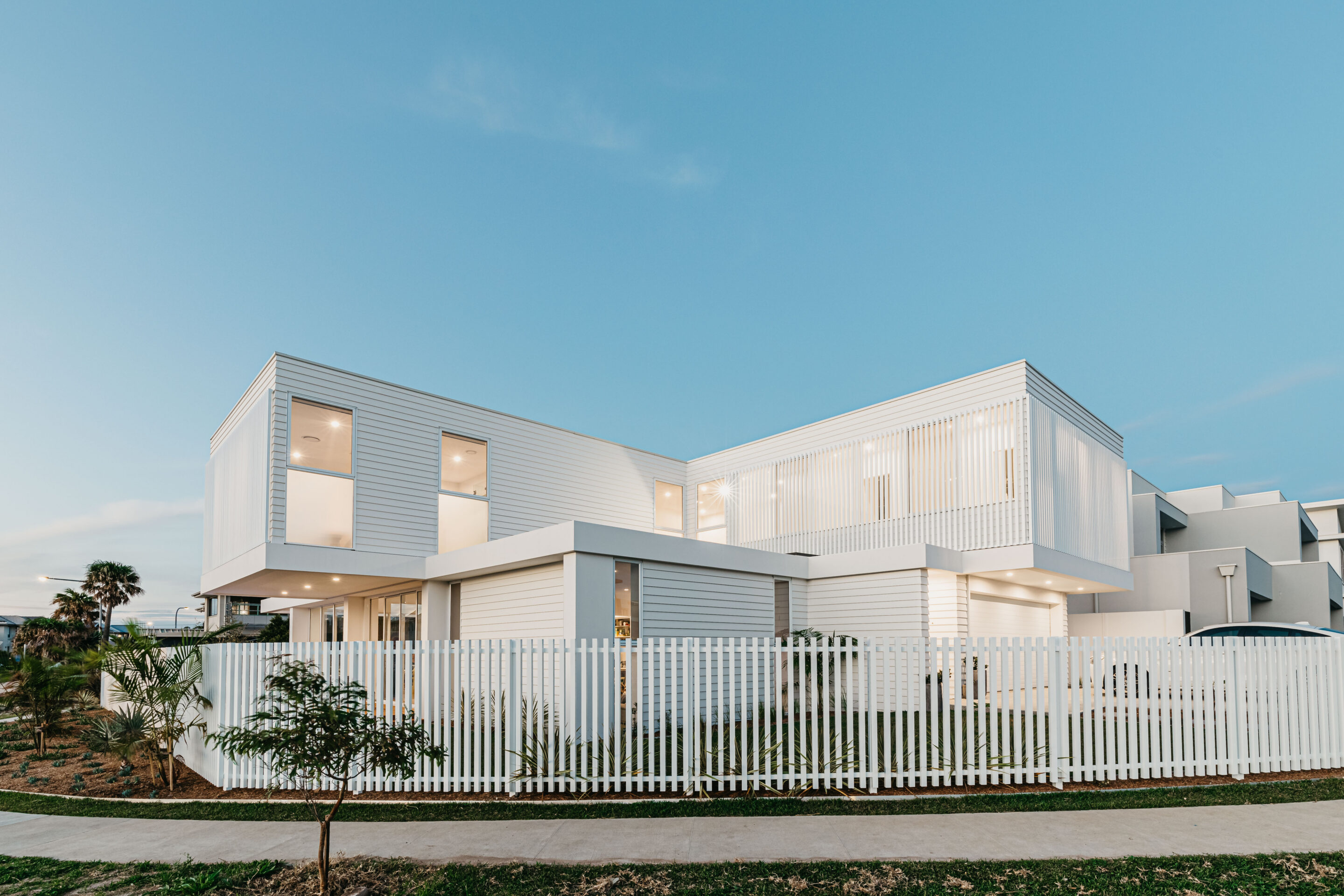
- Duplexes generally need a minimum lot width and area to meet council subdivision and dual-occupancy requirements, which varies by LGA, so what works in Sutherland Shire may not fly in the Eastern Suburbs or a South Coast council area. Corner blocks and battle-axe blocks often lend themselves well to duplex design because of how they split for access and privacy.
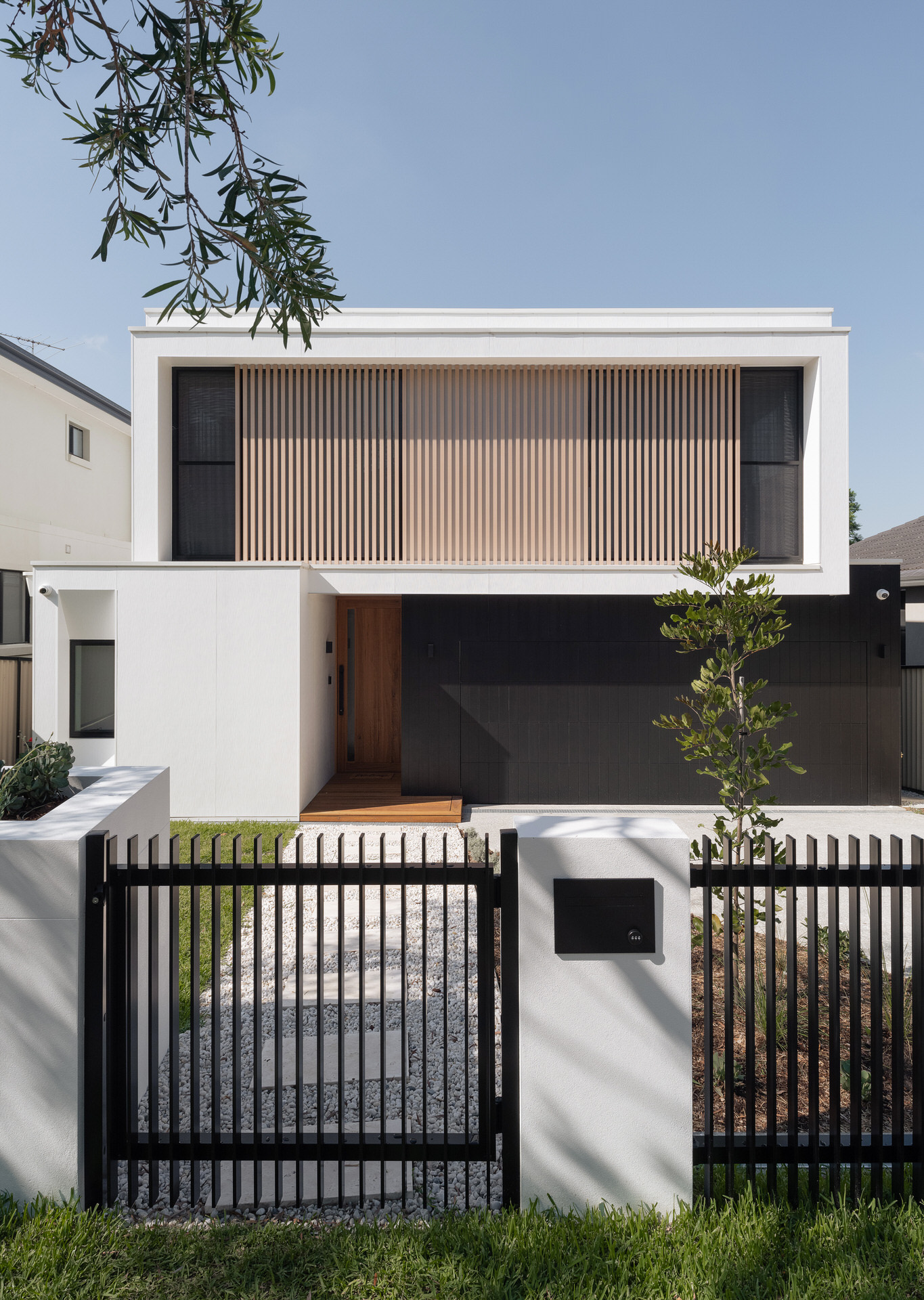
- Custom homes give you more flexibility on smaller or irregularly shaped blocks, since you’re not designing for a symmetrical or semi-symmetrical split down the middle.
Before you choose what to build, it’s worth getting a proper read on what your block’s zoning actually permits. This is one of the first things we assess with clients, because it can rule out options before design conversations even start.

Return on investment
This is where the two paths genuinely diverge.
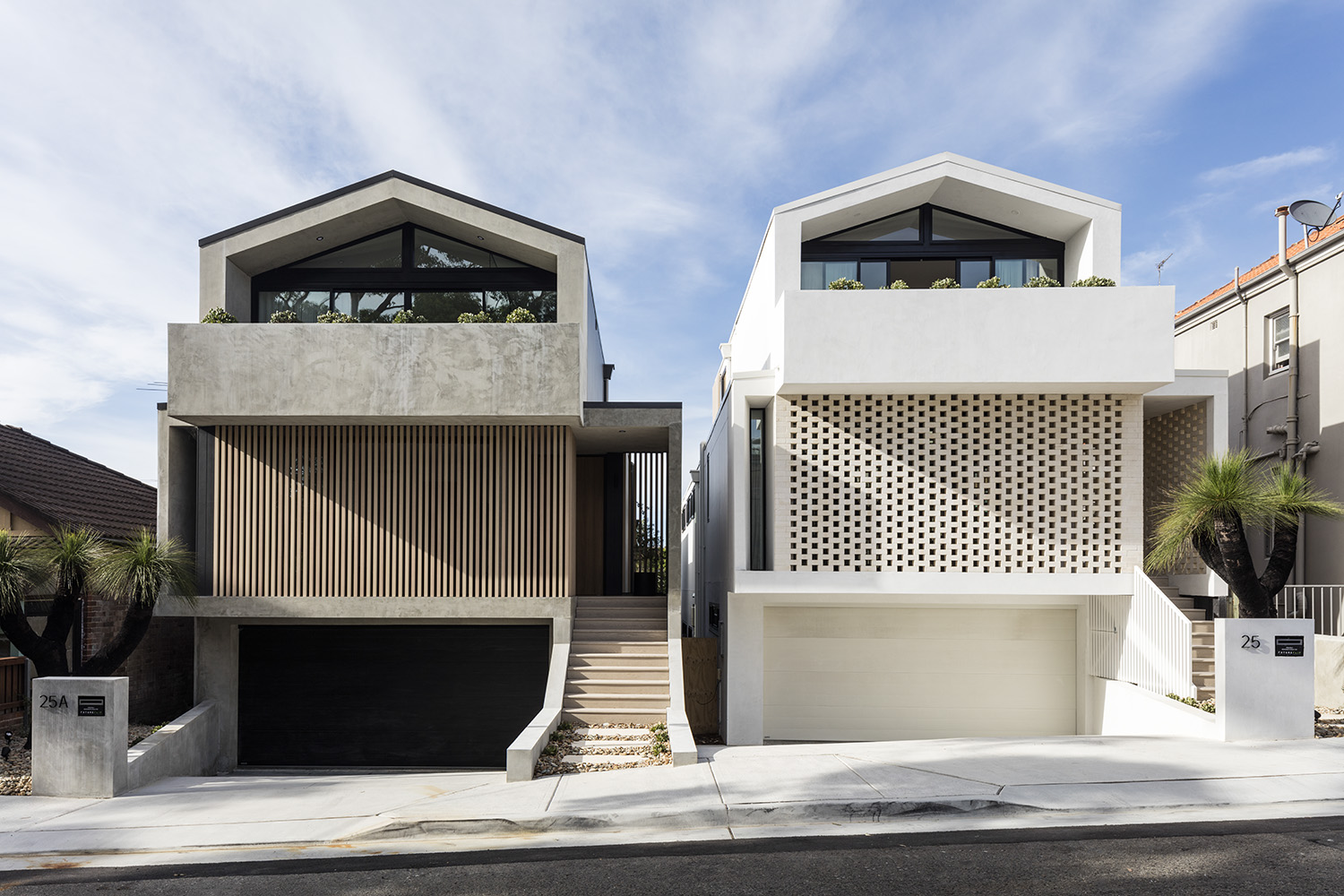
- A duplex is typically the stronger ROI play if your goal includes selling one side, renting both, or subdividing titles down the track. Two dwellings on one block means two potential income or sale streams, which can significantly improve your return relative to land cost. Especially on well-located blocks in growth corridors.
- A custom home is a different kind of investment, you’re building long-term equity in one high-quality asset rather than splitting the block’s value across two. For blocks in premium locations (waterfront, view corridors, larger South Coast acreage), a single custom home often unlocks more value per square metre than a duplex would, because the land and view are the asset, not the dwelling count.
Neither is objectively “better”, it depends on whether your goal is capital growth through diversification (duplex) or maximising the value of a single, asset (custom home).


Family growth and how you’ll actually live
The other major thing to consider is what your life will look like in 5, 10, or 20 years.
- A duplex works well for multi-generational living (ageing parents on one side, your family on the other), for building alongside adult children who aren’t ready to fully leave the nest, or for families who want to build now and use rental income from one side to offset a mortgage while their own household grows into the other.
- A custom home makes sense when you need everything under one roof. A growing family that needs to expand and reconfigure over time, entertaining spaces that serve one household rather than two, or simply a home designed entirely around how you live, without needing to consider a second household’s needs in the floorplan.
If you’re not sure yet whether your family will need that flexibility, a duplex actually gives you more options. You can occupy both sides now and rent one out later, something a single custom home can’t offer without a major renovation.
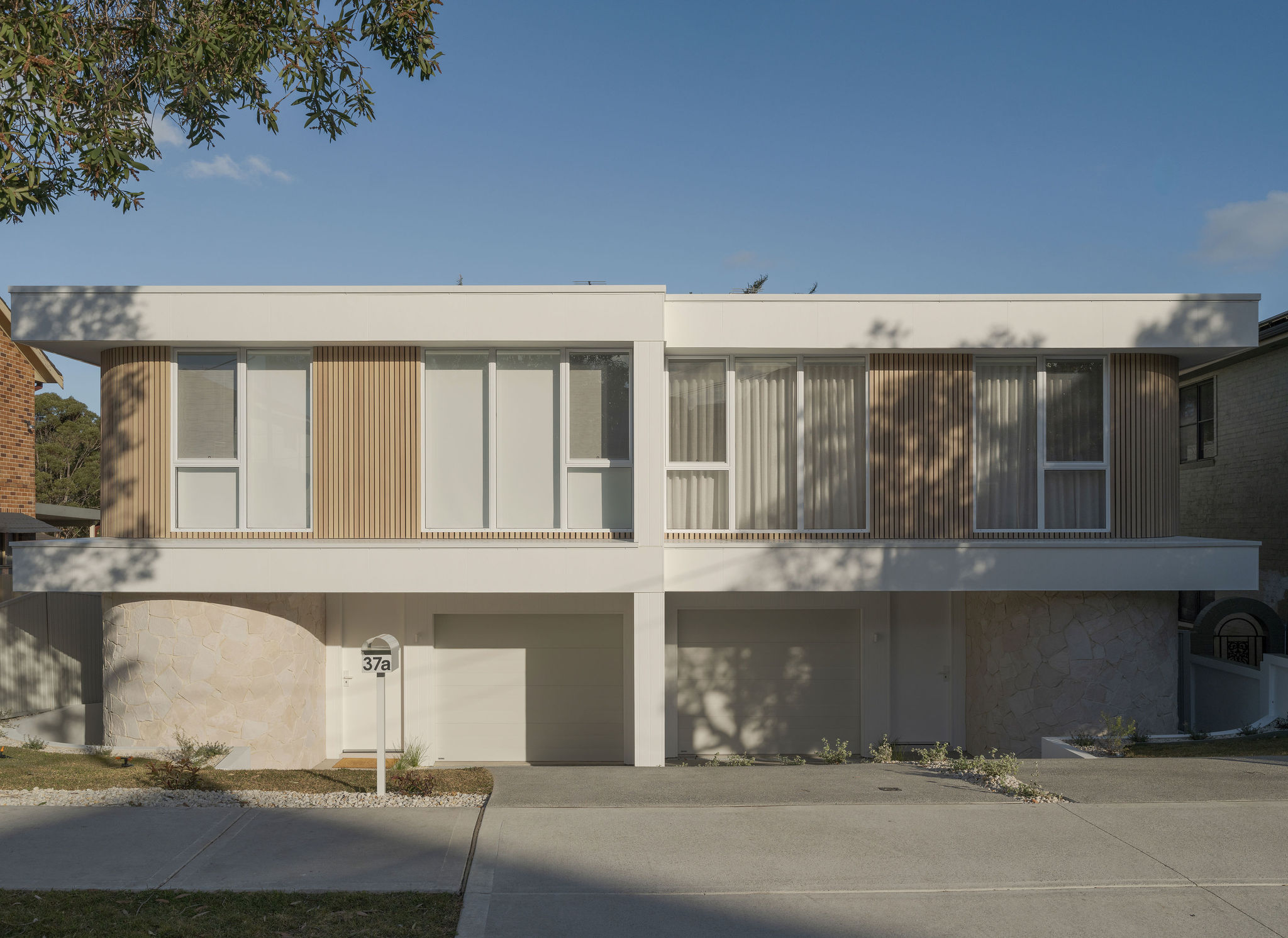
Budget
Cost comparisons here are easy to get wrong if you compare total build cost without accounting for what you’re actually getting.
- Duplexes often achieve a lower cost-per-dwelling because you’re sharing site costs, foundations, and sometimes structural walls across two homes. But the total build cost for the project can still be substantial, and finishes-per-square-metre don’t automatically drop just because it’s a duplex.
- Custom homes put your full budget into one dwelling, which typically means more scope for larger format finishes, bigger entertaining areas, and design features (voids, skylights, pools) that would otherwise need to be split or duplicated across two dwellings in a duplex.
The real budget question isn’t “which is cheaper”, it’s “which structure gets you the best outcome per dollar for what you’re actually trying to achieve.”
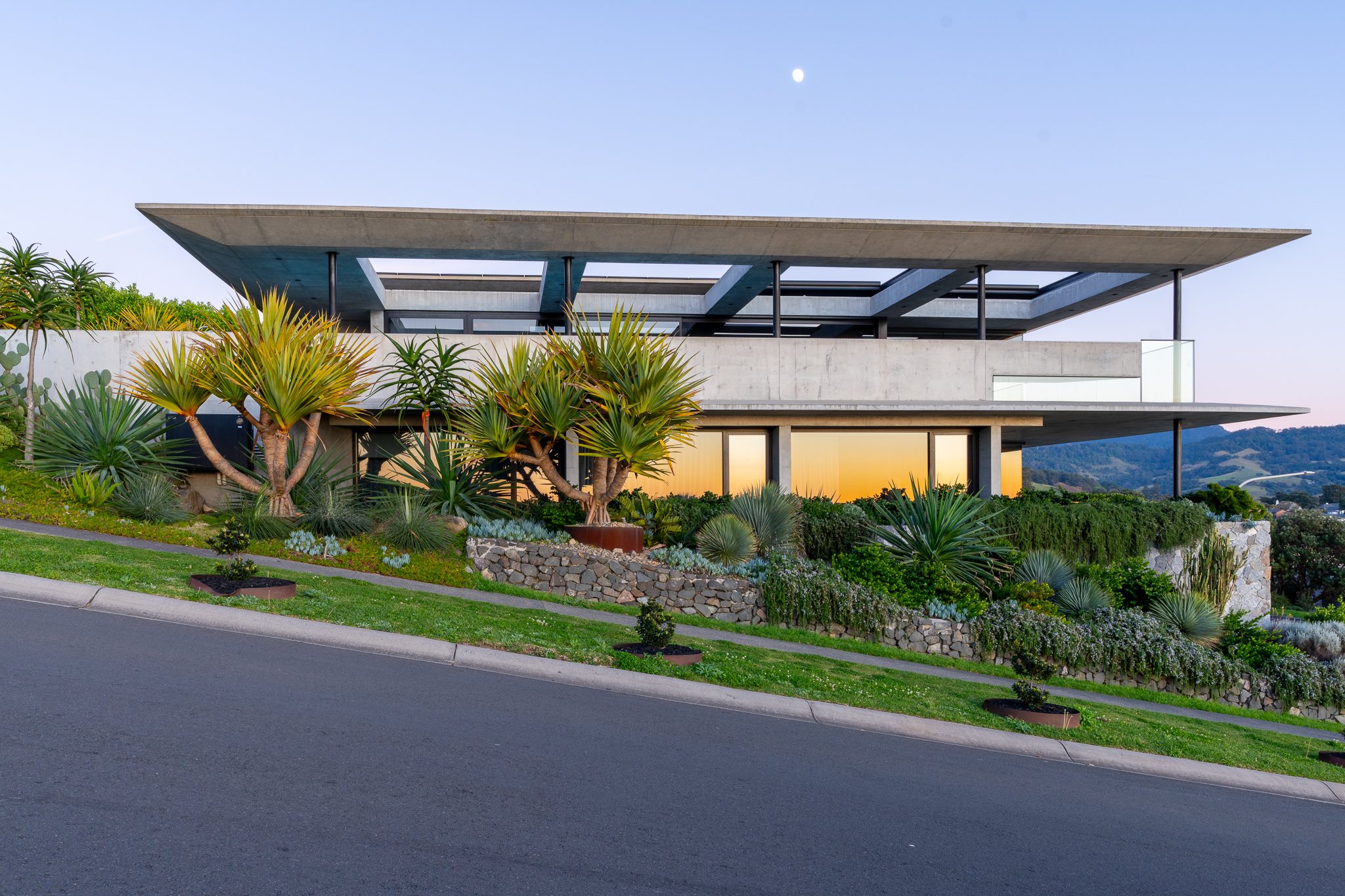
A few other things worth weighing up
- Timeline — duplexes can take longer to approve through council depending on your LGA’s dual-occupancy DA requirements, while a custom home DA is often a more straightforward single-dwelling approval.
- Privacy and lifestyle — a well-designed duplex done right shouldn’t feel like a compromise. At Futureflip, we design each side with independent zoning: decks, gardens, and verandas, so both households get the same sense of space and outlook, rather than one side feeling like the “lesser” home.
- Exit strategy — think about whether you intend to hold, sell, or subdivide down the track. This can change which structure makes more sense today, even if your current lifestyle looks the same either way.
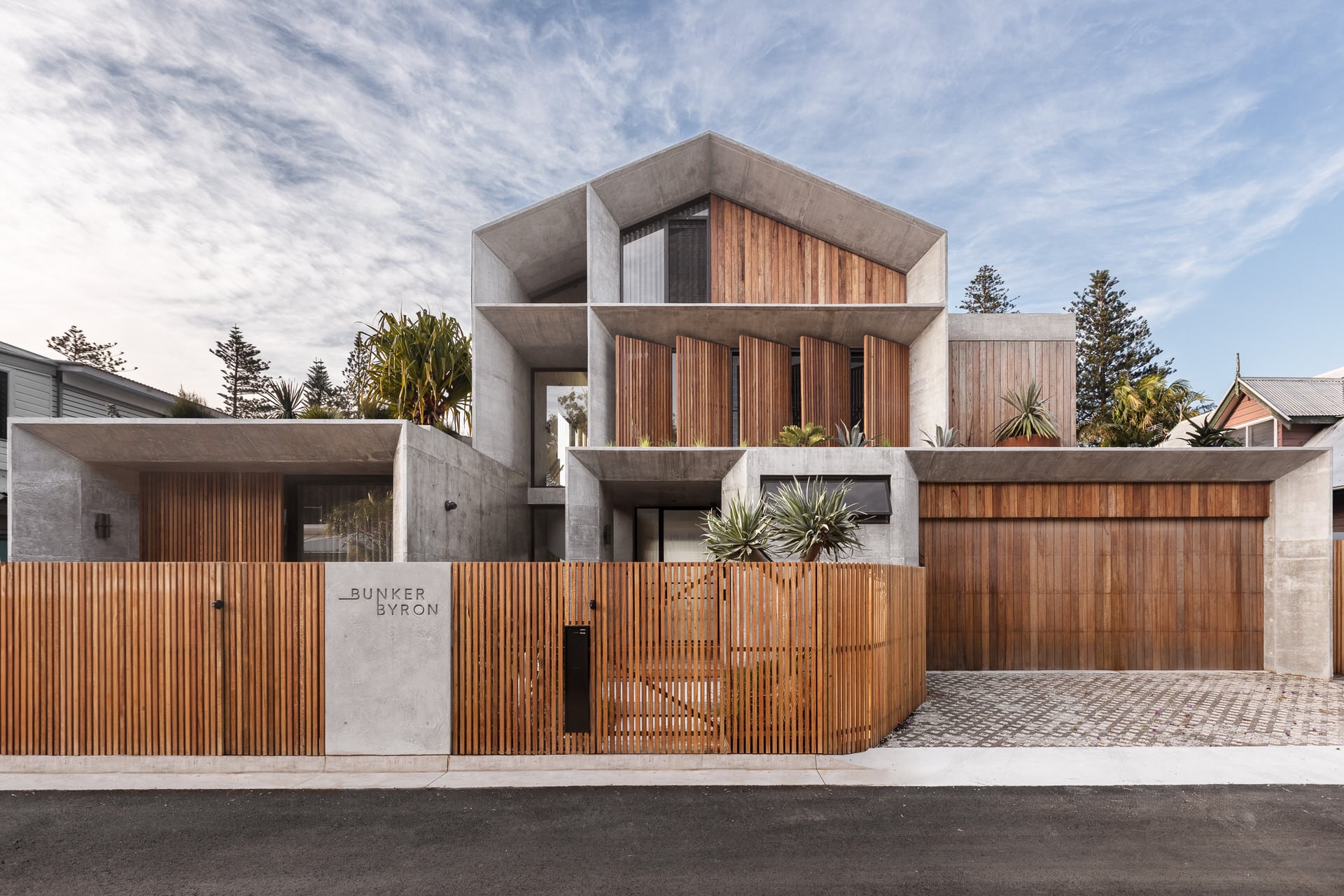

So, which is right for your block?
There’s no right answer. It comes down to your land, your numbers, and where your life is headed. We’d always recommend getting a proper site and feasibility assessment before committing to a direction, because the “right” build is the one that actually fits your block’s constraints and your long-term goals, not just the one that looks best on Pinterest.
Whether you’re weighing up a custom duplex or a custom home in Sydney or the South Coast, our team designs and builds both under one roof. Which means the advice you get on which direction to take isn’t coming from someone trying to sell you one outcome over the other.
If you’re ready to talk through your block, get in touch with the Futureflip team, we’d love to help you figure out what’s actually right for it.